Cold Kebab, Hot Pan: Giving Last Night's Turkish Feast a Proper Second Sitting

Photo: overhead Turkish mezze table leftover grilled kebabs flatbread bulgur salad warm lighting, via www.mamasfindyourvoice.com
There is a moment, usually around eleven on a Sunday morning, when you open the fridge and find last night's feast staring back at you. Three foil trays. Half a flatbread gone leathery at the edges. A tub of something red and excellent. A skewer of chicken that nobody quite finished.
The instinct is to bin the lot, or to bung it all in the microwave and accept your punishment. Both are a waste. Turkish grill food — the good stuff, cooked over fire — travels surprisingly well into the next day, provided you treat each dish the way it wants to be treated rather than blasting everything at the same temperature and hoping.
Smoke is a fragile thing. It fades faster than fat and salt do. But you can coax a decent amount of it back, and the rest of the table can be rebuilt around what survives.
Start with an honest triage
Empty the fridge onto the worktop and sort into three piles: improves overnight, needs careful warming, and leave it in the tub.
Improves overnight: kısır, ezme, haydari, anything bulgur-based, braised red cabbage, the tomato and pepper stew that came with the iskender. These are dishes built on acid, oil and time. A night in the cold lets the chilli and sumac settle into everything. Serve them straight from the fridge, or barely cooler than room temperature — never hot.
Needs careful warming: lamb kofta, adana, chicken thighs and wings, lamb chops, halloumi, flatbread, bulgur pilaf, rice.
Leave it alone: anything with lettuce or cucumber, fried pastries, and all yoghurt-based sauces. Reheated garlic yoghurt separates into something unappetising, and no amount of stirring fixes it. Fresh yoghurt takes ninety seconds to spoon into a bowl, so start again.
The flatbread rule: damp, then dry
A pide that was soft and blistered at nine o'clock can be a doormat by morning, but this one is easy to rescue. Sprinkle it lightly with water — genuinely just a flick of the fingers, not a soaking — wrap it in foil and give it six to eight minutes at 180°C fan. Then open the foil and give it two more minutes to crisp the base back up.
If you have a decent frying pan, a dry one over a medium heat will do a single flatbread in under two minutes, and it's marginally better. Either way, eat it warm. Cold flatbread is a sad thing and there's no reason to endure it.
Kebabs want gentle heat and a short blast
The microwave is the enemy here. It heats the water inside the meat, which is why you end up with a grey, rubbery kofte weeping onto the plate.
For kofta, adana and chicken pieces, cover loosely with foil and warm at 160°C fan for eight to ten minutes, until hot through but not drying. Then uncover and give them four or five minutes at 200°C to bring the surface back. A spray of water in the oven — or a small roasting tin of water underneath — keeps the air from turning into a desert.
An air fryer is arguably better for chicken wings and thighs, which crisp rather than toughen. Around eight minutes at 170°C, shaking once, is usually right. Lamb chops are the fussiest of the lot; they were cooked to medium-rare last night and they will not go back there. Warm them briefly, accept they'll be a little more done, and slice them thinly instead of serving them whole.
Bulgur and rice: steam, don't stir
Both grains dry out in the fridge and both come back with moisture and patience rather than agitation. Tip into a small pan, add a splash of water — two tablespoons for a portion, more for a big tub — cover tightly and warm over the lowest heat for five minutes. Or microwave with a damp sheet of kitchen paper laid over the top, which does the same job with less washing up.
Then leave it, lid on, for a couple of minutes before fluffing with a fork. Stirring vigorously turns bulgur into paste. And if you have a little of the cooking liquor from a tomato-based grill dish, a spoonful of that instead of water is a serious upgrade.
Rebuild the table rather than just reheating it
Here's the thing nobody tells you about leftovers: they only feel like leftovers if you serve them like leftovers. Reheated trays plonked down in their foil is how a good meal dies.
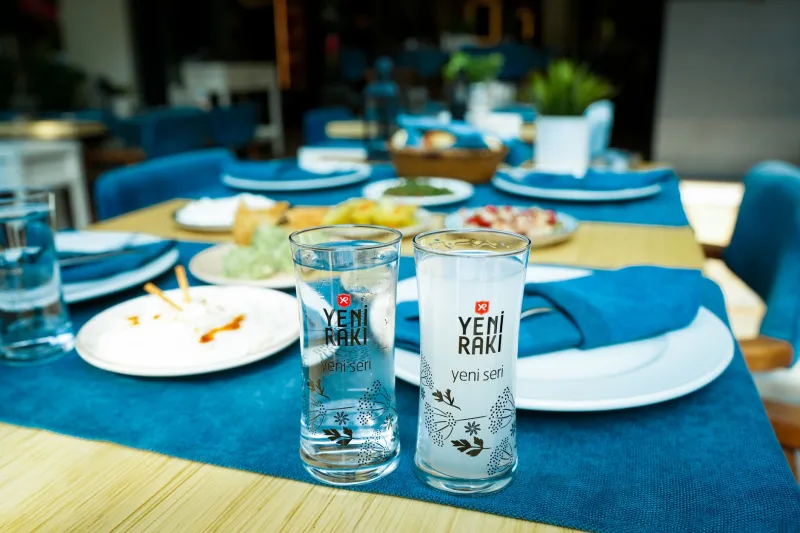
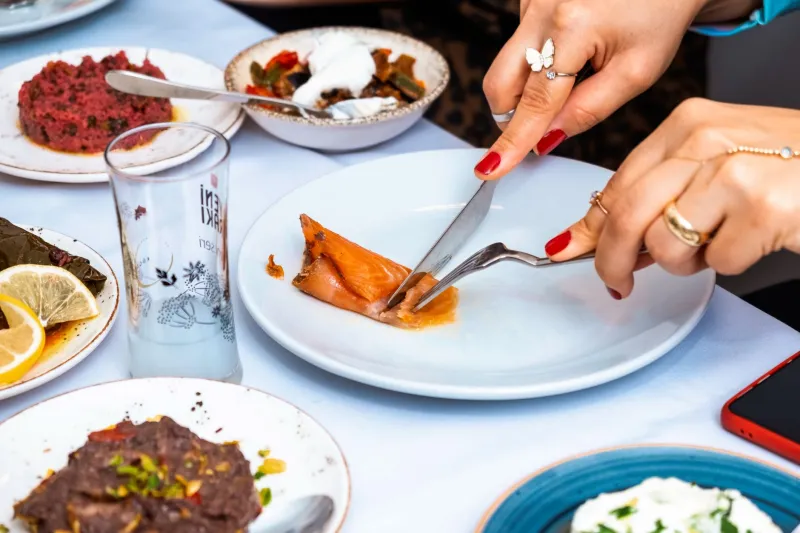
Decant into proper dishes. Warm the plates — a minute in a low oven does it. Then add two or three fresh things, because the contrast is what makes the second-day table feel deliberate rather than thrifty: a chopped tomato and onion salad with parsley and lemon, a fresh bowl of yoghurt, a handful of warm bread, a pot of tea.
A squeeze of lemon over the reheated meat is not a garnish, it's a repair job. It lifts the fat and brings the char back into focus. Same with a scatter of fresh parsley or a pinch of pul biber over anything that tasted bolder yesterday than it does today.
The practical bits, briefly
Cool leftovers within a couple of hours of eating, get them in the fridge in shallow containers, and use them within two days. Reheat only what you're going to eat — meat should be piping hot all the way through, and rice wants particular care, so don't leave it sitting lukewarm. If you've already reheated a dish once, that's it; don't cycle it again.
And next time you order, consider it a small act of forward planning rather than greed. An extra flatbread, one more portion of kısır, a second tub of ezme. Tomorrow's lunch is a much better investment than anything you'd have bought at the supermarket on the way home.
What you're really doing
The ocakbaşı is a place built on generosity — plates that keep arriving, a table that never quite empties. That doesn't have to stop when the foil trays go in the fridge. A little heat, a few fresh things, and a proper dish to serve it all in, and Sunday lunch becomes a continuation of Saturday night rather than the sad end of it.
Nobody at the table will be thinking about leftovers. They'll be reaching for the bread.