Fire, Patience and a Very Full Table: Lessons from the Turkish Ocakbaşı
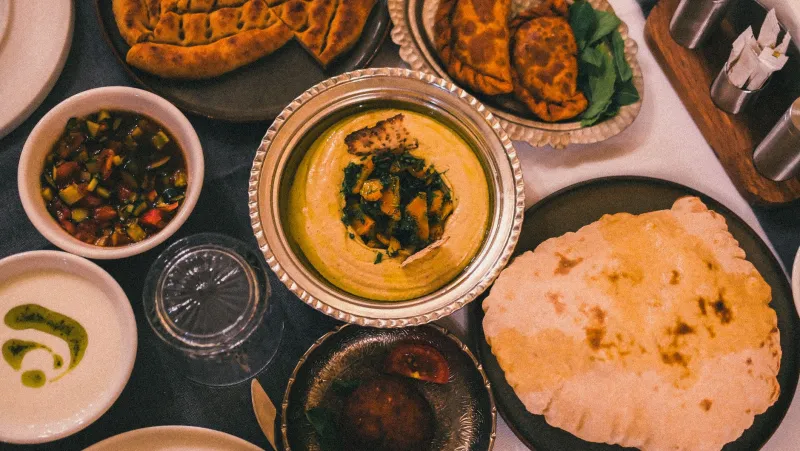
There is a moment in a good ocakbaşı when the table stops being a table and becomes a sort of small settlement. Bread arrives. A bowl of ezme is set down. Someone asks whether the lamb is ready. The grill cook looks up, turns a skewer, says nothing, and everyone understands that the food will come when it comes. No one is checking a phone. No one is asking whether the kitchen has lost the order. The fire is doing its work.
In Turkish, ocakbaşı means something close to the hearth side, or the head of the hearth. The name is practical and poetic at once. The ocak is the hearth, the fire, the place where cooking happens. The başı is the head, the beginning, the one in charge. Put them together and you get a restaurant organised around a live fire and the person who tends it. It is a format, but it is also an attitude.
The Hearth at the Centre
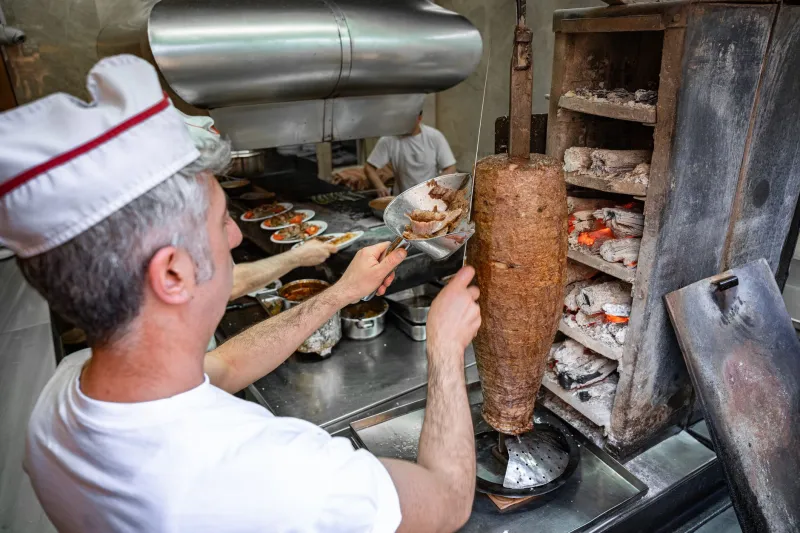
In a traditional ocakbaşı, the grill is not hidden away in a back kitchen. It is often the first thing you see: a long charcoal pit, skewers laid across it, cuts of meat on display, a cook moving between them with the calm of someone who has done this many times. Diners sit around it or near it. The menu is not a list of anonymous dishes but a conversation about what is good that day.
The cooking is direct. Meat is seasoned, skewered and grilled over charcoal. Meze is prepared cold and brought out in small bowls. Bread is warm. There is no elaborate plating and no attempt to turn dinner into theatre. The theatre is the fire itself, and the fact that you can see your supper being made.
That visibility changes the meal. You are not waiting for a kitchen to send out a plate that has been assembled behind a door. You are watching the cook judge the heat, turn the skewer, rest the meat. It makes the food feel less like a product and more like a process. It also makes the table feel involved.
A Tradition Built on Fire and Thrift
Cooking over charcoal is older than any restaurant. The ocakbaşı as a dining format grew out of a simple fact: fire makes food taste good, and a fire large enough to cook for a crowd needs someone to tend it. In southeastern Turkey, in Adana and Gaziantep, and later in the big cities, grill houses became places where butcher cuts were cooked fresh and served with meze and bread. The exact history is local and varied, but the pattern is consistent: fire, meat, bread, sharing.
It is worth remembering that this is not a luxurious tradition in origin. It is a practical one. Charcoal is affordable. Offcuts and cheaper cuts can be made delicious with marinade and careful cooking. Meze stretches a meal and gives people something to do while the grill works. Bread fills gaps. Yoghurt cools. The whole system is designed for generosity without waste.
That is one reason the ocakbaşı has travelled well. In the UK, Turkish restaurants have often been folded into the takeaway economy, with mixed grills and boxes for collection. That is fine, and it is how many families first meet the food. But the ocakbaşı spirit is not really a takeaway spirit. It is a sit-down spirit. It wants a table with too many chairs pulled up to it.
The British Dinner and the Timed Sitting
British dining habits are not the enemy here, but they are different. We are used to courses: starter, main, pudding. We are used to individual plates and the idea that everyone should order their own main course. We are also used to the timed sitting, especially on busy weekends, where the table is booked for a certain hour and the meal has a quiet deadline attached.
None of that is wrong. But it does make for a particular kind of evening: one that can feel efficient rather than generous. The ocakbaşı model offers a different rhythm. Meze arrives first, not as a starter to be finished before the main event, but as a way of beginning. More dishes appear as they are ready. The grill is not a course; it is a centre. People eat a little, talk, eat a little more. The table stays alive.
For families, this is quietly revolutionary. Children are often better at grazing than at sitting through a formal three-course meal. A table with bread, yoghurt, rice, grilled chicken and a mild kebab gives them choices without turning dinner into a negotiation. Adults can linger. Nobody has to wait for everyone else to finish a starter before the next thing happens. The meal moves at the speed of the table rather than the speed of the kitchen timetable.
Why It Works for a Crowd
There is a practical genius to the ocakbaşı spread. It is scalable. Add another meze, another skewer, another basket of bread. It is flexible. A child can eat plain rice and grilled chicken while an adult works through the Adana kebab. It is social. Sharing is built in, so the table has a common project.
It is also forgiving. If one dish is too spicy, there is yoghurt. If the lamb is a little fatty, there is sumac onion. If someone is still hungry, there is bread. The meal is designed to absorb differences in appetite, age and taste. That is not a small thing when you are feeding three generations in one sitting.
And it slows people down. Charcoal cooking is not instant. The fire has to be right. The meat needs resting. The meze comes in waves. That pace gives a table time to settle. In a British winter, when the temptation is to hurry from the cold into the warm and then hurry out again, that slower rhythm is worth noticing.
Ordering the Ocakbaşı Way
If you want to recreate the spirit in a Turkish restaurant, start by asking what is on the charcoal. A good grill house will tell you what is fresh and what the cook is proud of. Order meze in waves rather than all at once. For four people, four to six meze, two or three grill dishes, bread and a couple of sides is usually plenty. Add more later if you need it.
Ask for chilli sauce on the side. Ask for the yoghurt to come with the grilled dishes rather than after them. Share everything. Resist the urge to give each person their own main course, at least for the first round. The point is not to be stingy; it is to keep the table varied. If someone is still hungry, order another skewer. That is the ocakbaşı way.
Bringing the Spirit Home
At home, you do not need a charcoal pit to catch the mood. A griddle pan, a barbecue or a hot oven grill will do. Marinate chicken or lamb earlier in the day. Make a bowl of yoghurt with garlic and mint. Warm flatbread. Put out olives, tomatoes, chopped salad and something sharp like ezme. Then cook in batches and send plates to the table as they are ready.
The mistake is to try to serve everything at once, perfectly plated. The ocakbaşı does not care about perfect plating. It cares about a full table, a warm fire and people who are happy to wait a minute for the next thing. Generosity, in this tradition, is a method rather than a garnish. That is the lesson worth taking into the colder months.