The Sharp Little Secret That Makes Turkish Grills Taste Better
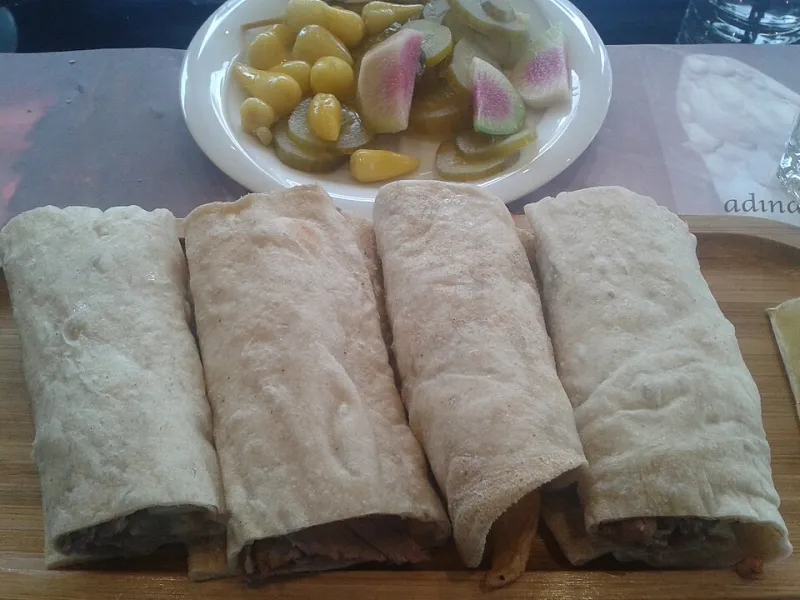
Photo: E4024, CC BY-SA 4.0, via Wikimedia Commons
There is a moment, about halfway through a good Turkish grill, when the table needs a reset. The lamb has been rich, the flatbread has done its job, and everyone is reaching for something cool and sharp. That is turşu’s cue. Pronounced roughly “tur-shoo”, it is the pickle plate that arrives without fanfare: a little dish of cucumber, cabbage, pepper or mixed vegetables, glistening in brine and tasting of vinegar, salt and time.
In the UK, pickles tend to be a supporting act — a spoonful of something on the side of a sandwich. On a Turkish table, turşu is closer to a seasoning, a digestive and a texture machine all at once. It is not there to fill space. It is there to make the grilled meat taste more like itself.
Why a pickle works so well against charcoal
Grilled lamb and chicken are rich. Charcoal adds smoke and a little bitterness. Fat carries flavour, but it also coats the tongue. A mouthful of sharp pickle slices through that coating and wakes everything up again. The acidity is the obvious part, but the salt matters just as much: it amplifies the savoury notes of the meat. And then there is the crunch. A good turşu is noisy in the best way — a clean snap that makes a soft flatbread and a juicy kebab feel more interesting.
That is why a Turkish grill without pickles can feel oddly flat. You can eat well, but you keep reaching for something. A bowl of turşu is that something.
The main characters in the pickle bowl
The most common is hıyar turşusu, made with small cucumbers. In the UK they are sometimes sold as pickling cucumbers or cornichons, but the Turkish version tends to be saltier and less sweet. Then there is lahana turşusu, pickled white cabbage, often shredded and tinted pale pink from the brine. It is softer than cucumber but still has a pleasant resistance. Biber turşusu brings pickled peppers — sometimes mild, sometimes with a gentle heat — and karışık turşu is the mixed jar, usually a jumble of cucumber, cabbage, carrot and pepper.
You will also see pickled green tomatoes, pickled turnip and, in some places, a sour turnip brine called şalgam suyu. That is a drink rather than a pickle, but it belongs to the same sharp, salty family. In Turkish restaurants across the UK, the mixed plate is the safest place to start: a little of everything, plenty of crunch, no single flavour dominating.
How to use it without overthinking it
Do not treat turşu as a garnish. Put it in the middle of the table and eat it alongside the meat, not after it. A slice of pickle on the same fork as a piece of Adana kebab is the whole point. With chicken skewers, the cabbage version works particularly well because its softer texture mirrors the meat. With lamb chops or köfte, cucumber pickles give the cleanest contrast.
It also helps with mezze. A little turşu next to hummus or cacık adds a welcome jolt. And if you are making lahmacun at home, a handful of pickled cabbage rolled inside is a very good idea.
A quick jar for a weeknight kebab
You do not need a cellar or a long fermentation crock. A fridge pickle will give you most of the way there in 24 to 48 hours. This is not a traditional long-fermented turşu, but it is a useful shortcut for a Tuesday night.
Take a clean 500ml jar. Add a handful of small cucumbers, sliced lengthways; a few strips of white cabbage; a carrot, peeled and cut into batons; and a clove of garlic, halved. Tuck in a sprig of dill and a few black peppercorns. In a jug, mix 300ml water with 300ml white wine vinegar and two teaspoons of fine salt. Stir until the salt dissolves, then pour over the vegetables. Seal and refrigerate. The pickles will be sharp after a day and properly punchy after two.
A few UK notes: British cucumbers work well if you cut them into sturdy spears and remove the watery seeds. White wine vinegar is milder than malt vinegar, which can bully the vegetables. And do not skip the salt — it is doing more work than you think.
The quiet anchor of the table
Turşu is not the reason you book a Turkish grill. It is the reason the meal stays lively. It cuts the fat, lifts the smoke and adds a crunch that makes every forkful feel deliberate. Next time the pickle bowl arrives, do not push it to the edge of the table. Move it centre stage. The lamb will thank you.